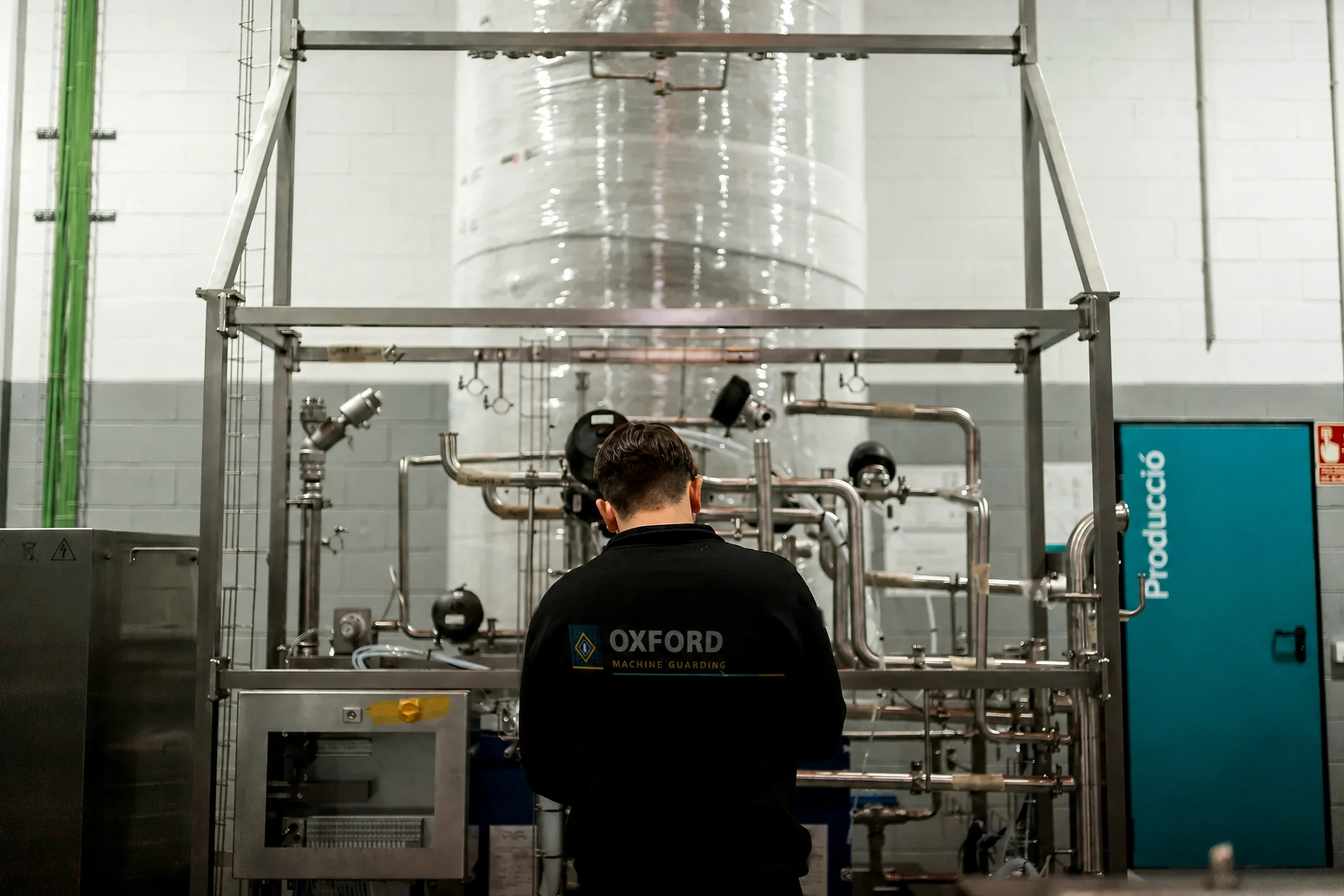
Survey and gap review
Record machinery, tasks, access, existing guards, device condition, run-down, isolation and installation constraints.

Survey to handover
A controlled route from an existing machine and known safety concern to a practical guarding upgrade, integrated safety function and documented handover.
A complete retrofit can cover survey, design, manufacture, safety-control integration, installation, functional testing and the drawings or records agreed for handover.
Defined around the real application
A guarding retrofit may look like a fabrication task, but access, stopping and restart behaviour are just as important as the physical barrier. We begin by understanding the machine in operation, including tasks that occur outside normal production.
The agreed project can range from a single fixed panel to a line-wide package involving steelwork, access doors, interlocks, safety relays, emergency stops, installation and functional testing.
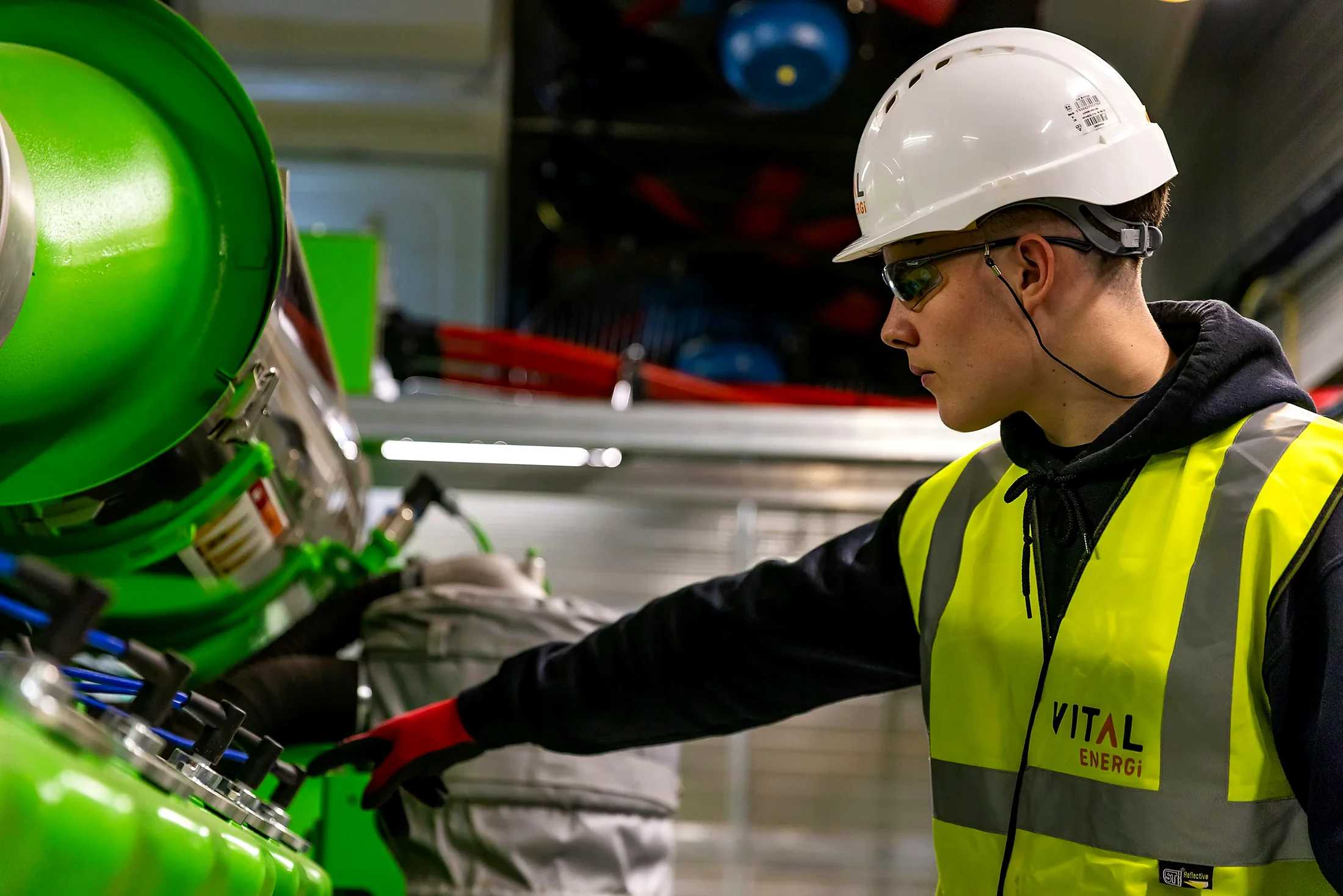 The design follows the hazard, task, stopping response and production constraint.
Scope options
Every proposal states the agreed boundary, assumptions and deliverables. Typical workstreams include the following.
Record machinery, tasks, access, existing guards, device condition, run-down, isolation and installation constraints.
Develop frames, panels, doors, apertures, fixings and service access around the available machine and floor space.
Define interlocking, guard locking, safety relays or PLC interfaces, reset, restart and diagnostic behaviour where included.
Fabricate mild-steel, stainless-steel, mesh, sheet or clear-panel guards to the approved design.
Coordinate removal, installation, electrical work and production access within the agreed shutdown and site rules.
Complete the inspections, functional tests, drawings and records specified for the project boundary.
Delivery sequence
Collect drawings, manuals, known defects and previous assessments; photograph the machine before change.
Walk through production, clearing, set-up, cleaning and maintenance with the people who perform the work.
Agree the safeguarding concept, access philosophy, interfaces, materials and shutdown sequence.
Install, test, brief relevant personnel and hand the modified equipment back through an agreed process.
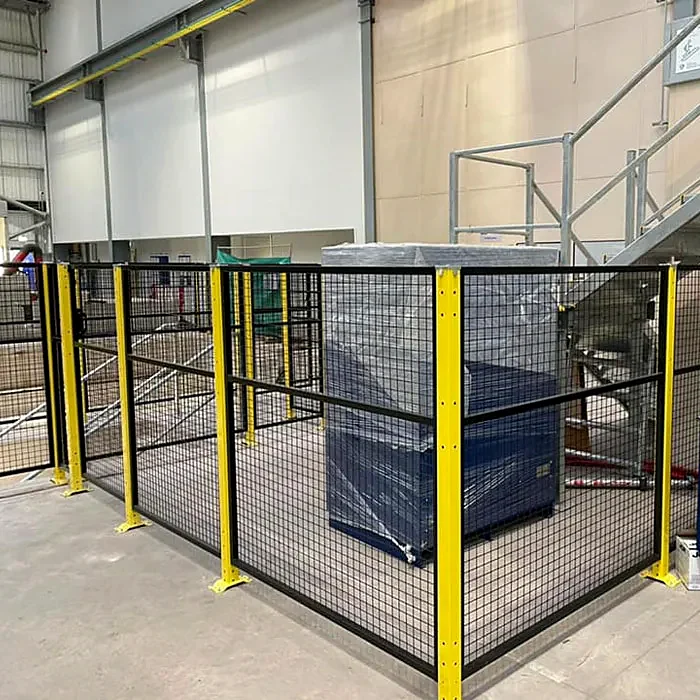 Physical separation engineered around required access—not simply the machine outline.
Project outputs
The documentation package is defined in the quotation so the responsible dutyholder knows what will be supplied. Depending on scope, outputs may include:
A retrofit should not be described as making an entire machine compliant unless the assessment and evidence genuinely cover that complete boundary.
Service questions
They help, particularly for controls and hidden services, but a project can often begin with photographs, manuals, previous assessments and a detailed site survey.
Sometimes an independent floor-mounted frame is the better option, especially where the machine structure is weak, access is restricted or future removal may be required.
Supply-only arrangements can be discussed, but the responsibilities for mechanical installation, wiring, testing and final validation must be explicit. Integration details often determine whether supply-only is appropriate.
Useful next steps
Review the machine, task, hazards, access and shutdown constraints before design starts.
Retrofit site surveys →Use the long-form guide to prepare scope, controls, handover and shutdown information.
Retrofit planning guide →See the scope, materials, controls, access and installation factors that affect cost.
Machine guarding cost guide →Define the right first step
Tell us the machine, hazard, access requirement, site location and target shutdown. We will help define what should be reviewed.