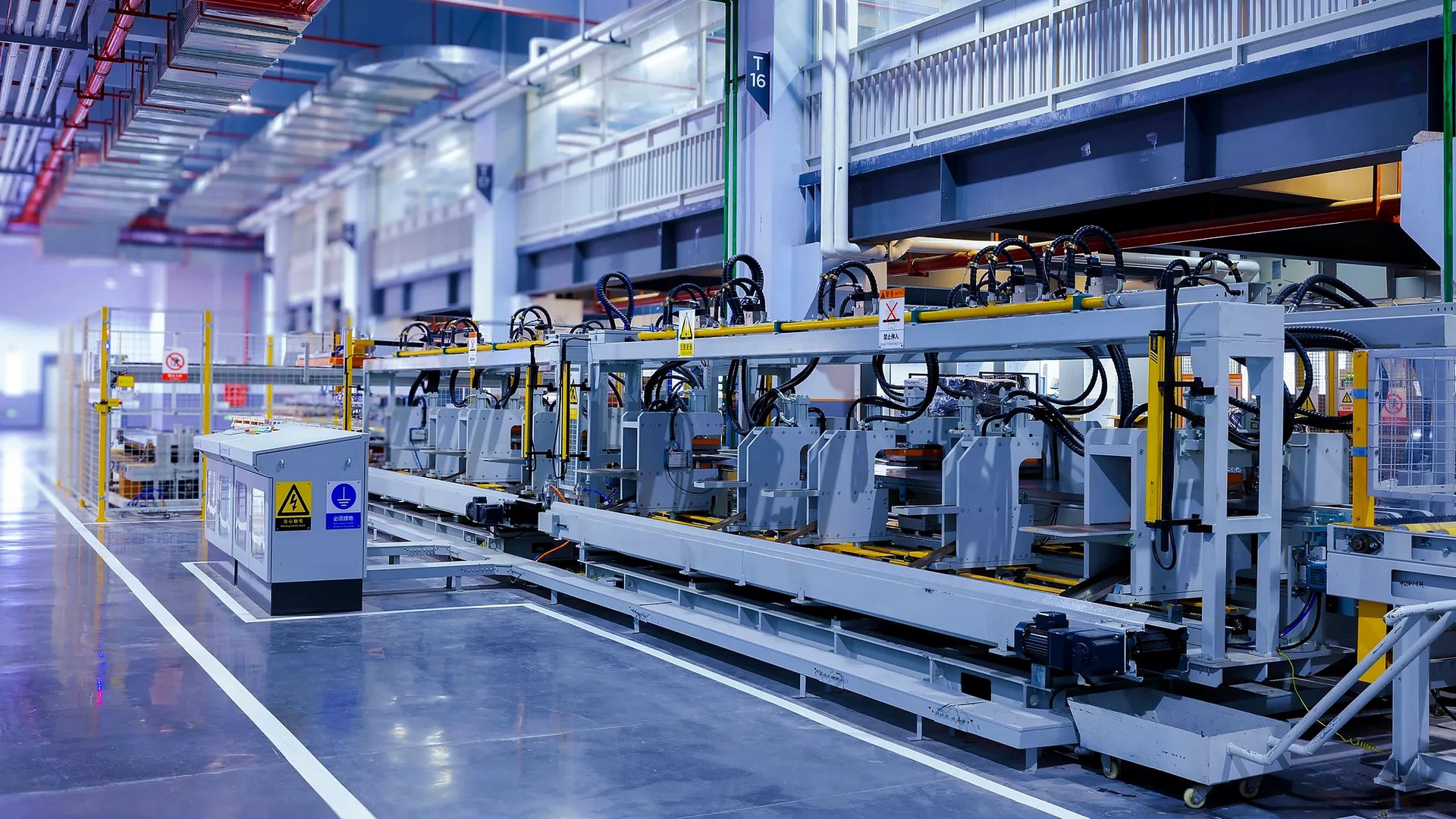
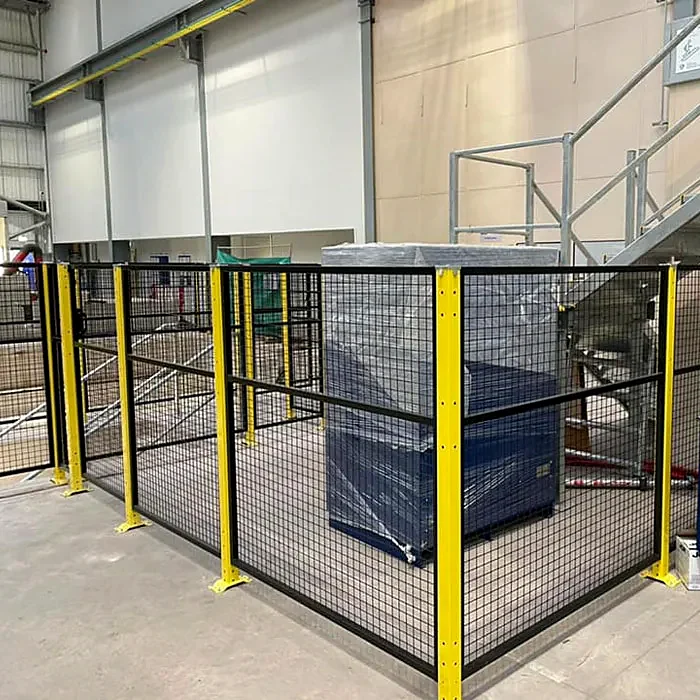
Fixed guard retrofits
Replace missing, damaged or unsuitable panels with steel, mesh, stainless-steel or clear-panel guarding shaped around the existing machine.
Fixed guard upgrades →
Existing machinery · safer future
Retrofit guards, access doors, interlocks and safety controls on older or modified machinery—without automatically replacing a productive asset.
A machine safety upgrade is a controlled modification to existing work equipment that reduces access to hazards and improves how the machine stops, remains stopped and restarts. It may combine fixed or interlocked guards, guard locking, light curtains or scanners, emergency-stop and reset improvements, safety relays or PLC interfaces, installation, testing and updated records. The right scope follows the real task, stopping behaviour and machine-specific risk—not a standard parts list.
Retrofit before replace
Legacy machinery may still perform its core task well, even when its guarding no longer reflects current operators, products, access routines or expectations.
A successful machine guarding retrofit starts with how the equipment is actually used. We look at normal production, loading, adjustment, clearing, cleaning and maintenance before defining the mechanical and control changes.
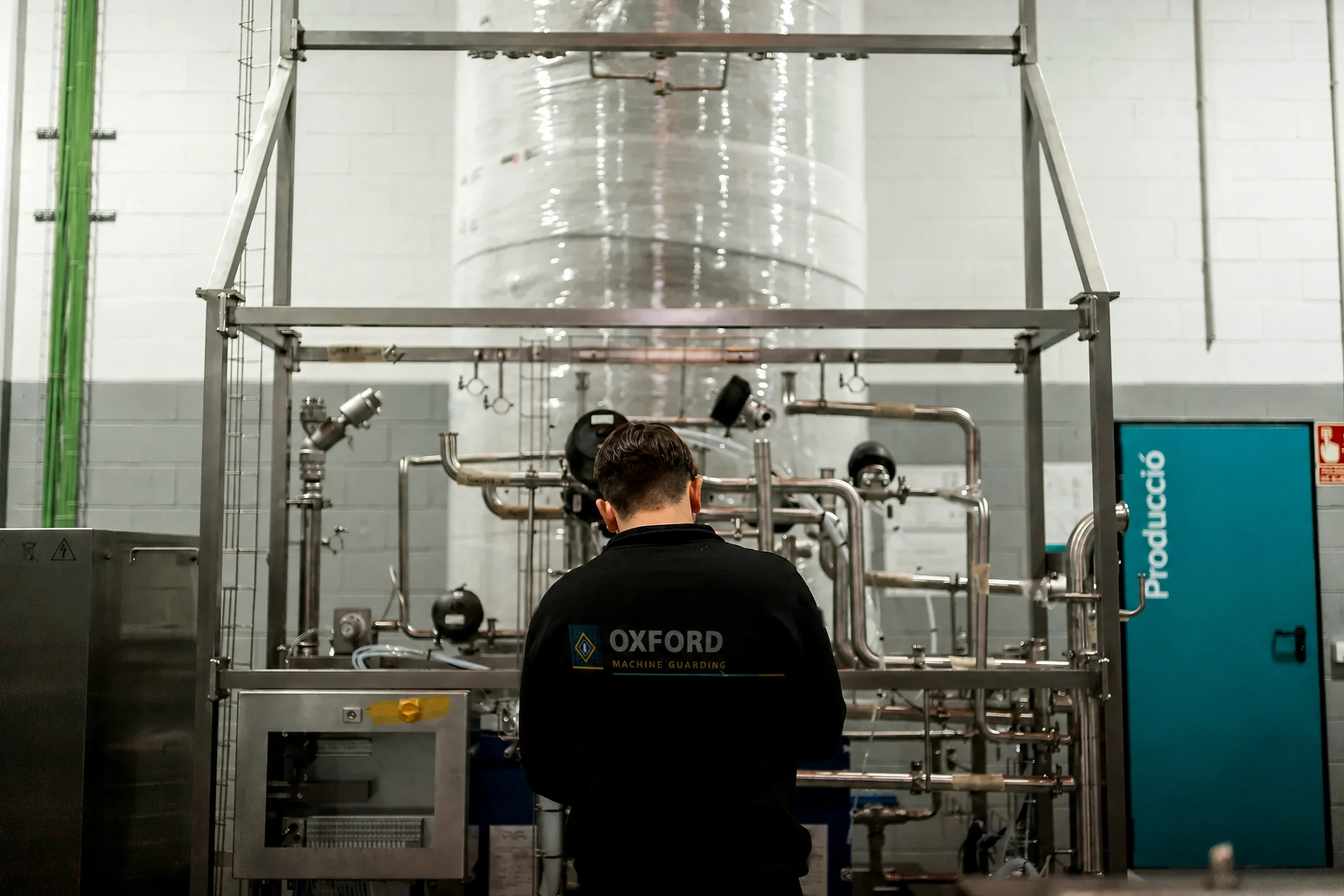 Application-led survey of the machine, task and production environment.
Machine safety upgrade services
The project boundary is defined around the hazard, access requirement and machine controls. Upgrades can be delivered individually or as one integrated scope.
Replace missing, damaged or unsuitable panels with steel, mesh, stainless-steel or clear-panel guarding shaped around the existing machine.
Fixed guard upgrades →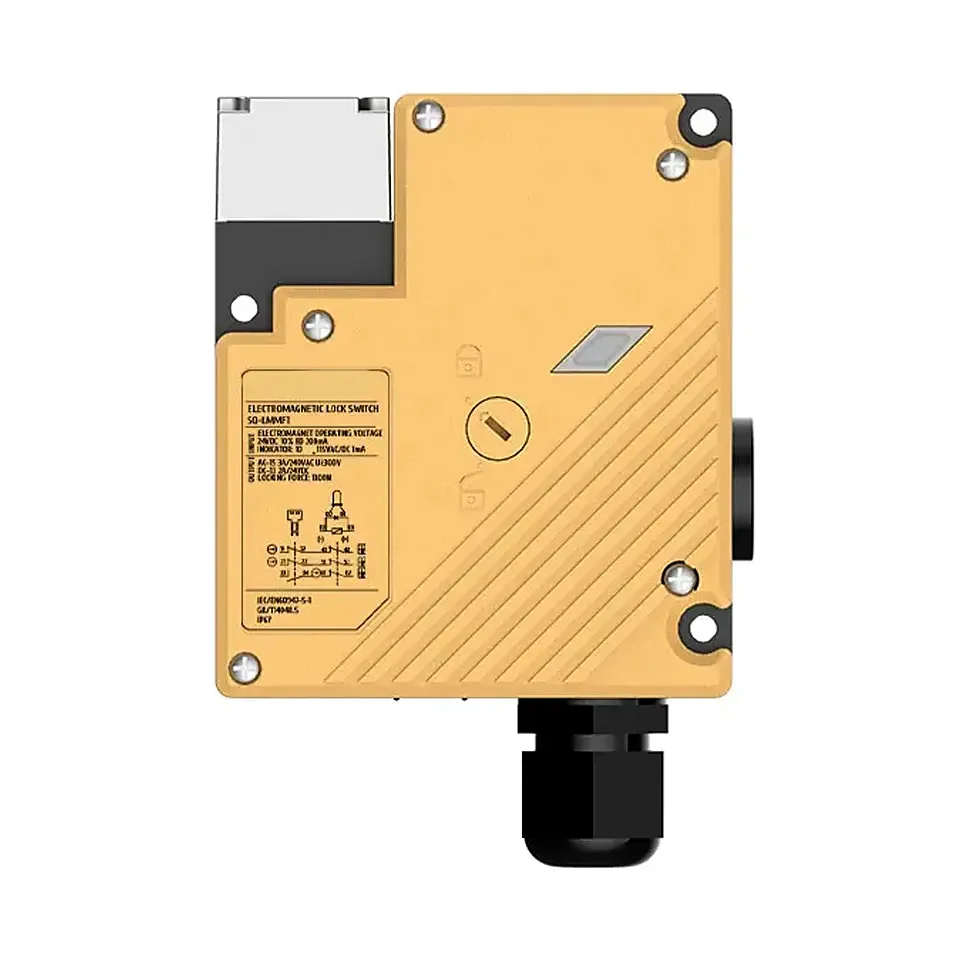
Add or modernise doors, switches, guard locking, reset and restart controls for access that cannot remain permanently fixed.
Interlock upgrades →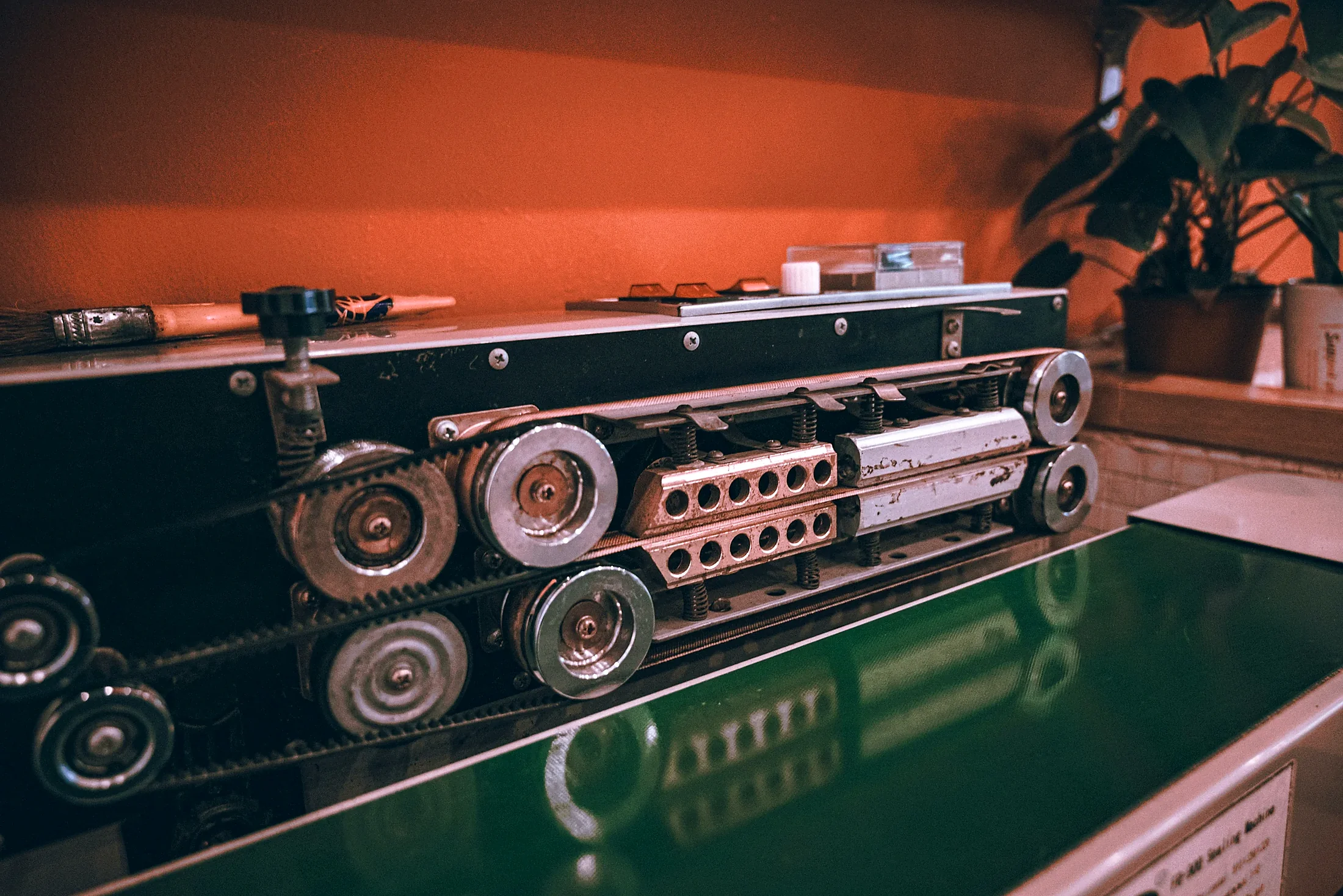
Safeguard drives, tail drums, transfer points, underside access and product openings without creating impractical production restrictions.
Conveyor retrofits →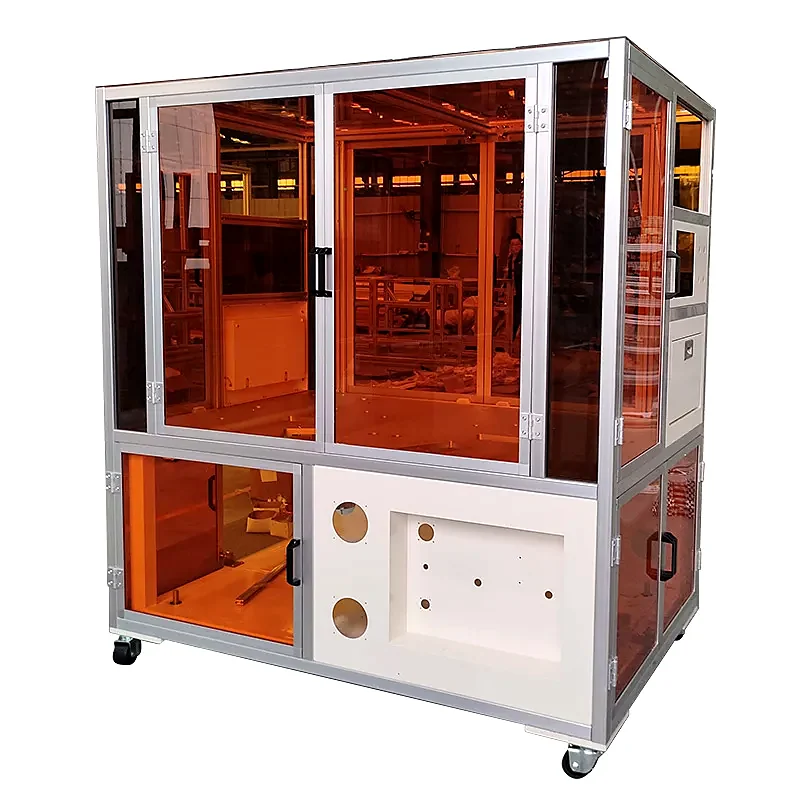
Retrofit guarding around fillers, cappers, labellers, wrappers and interconnected conveyors while maintaining changeover and cleaning access.
Packaging line upgrades →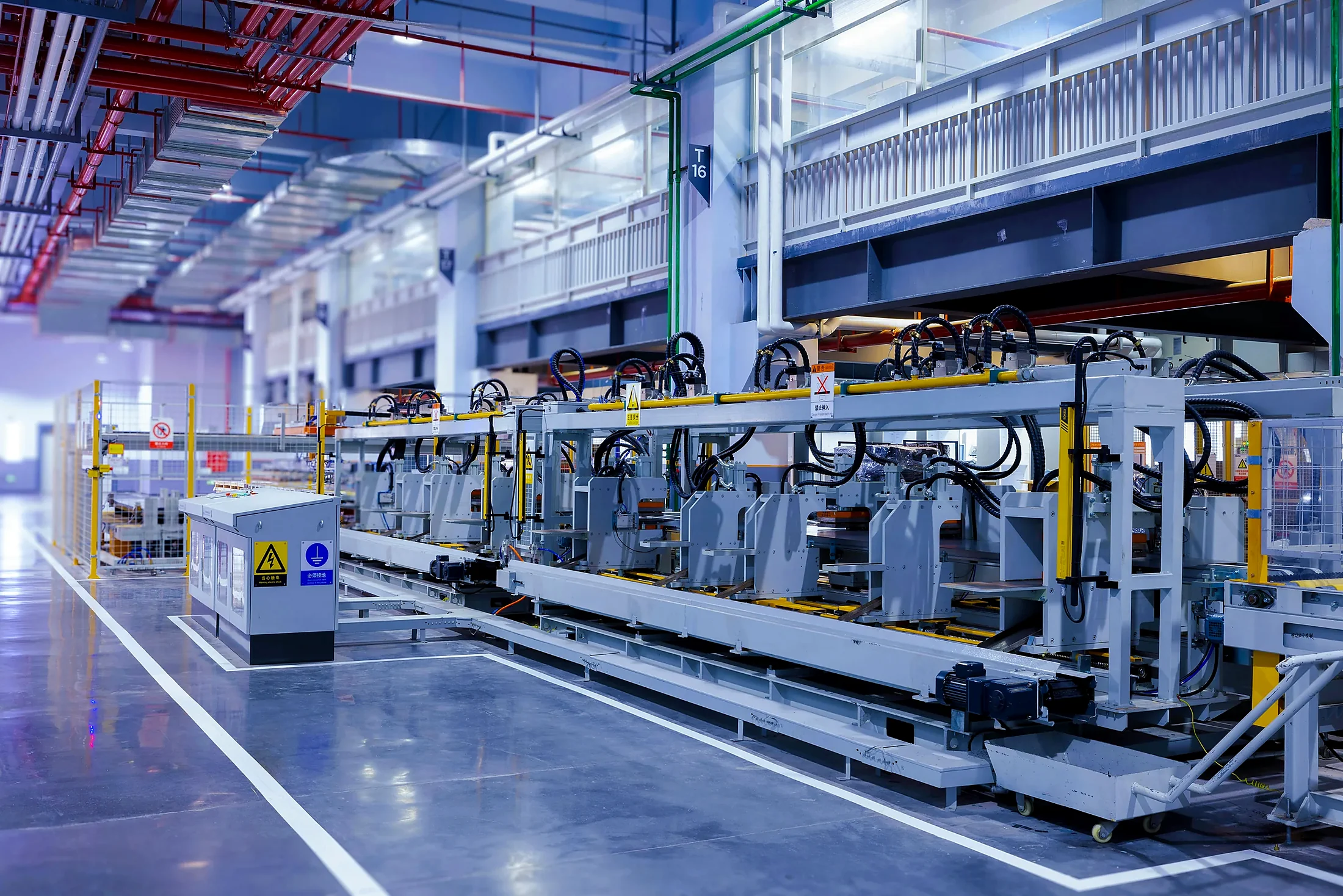
Turn identified guarding defects into a prioritised engineering scope, with modifications and evidence aligned to the agreed assessment boundary.
PUWER guarding upgrades →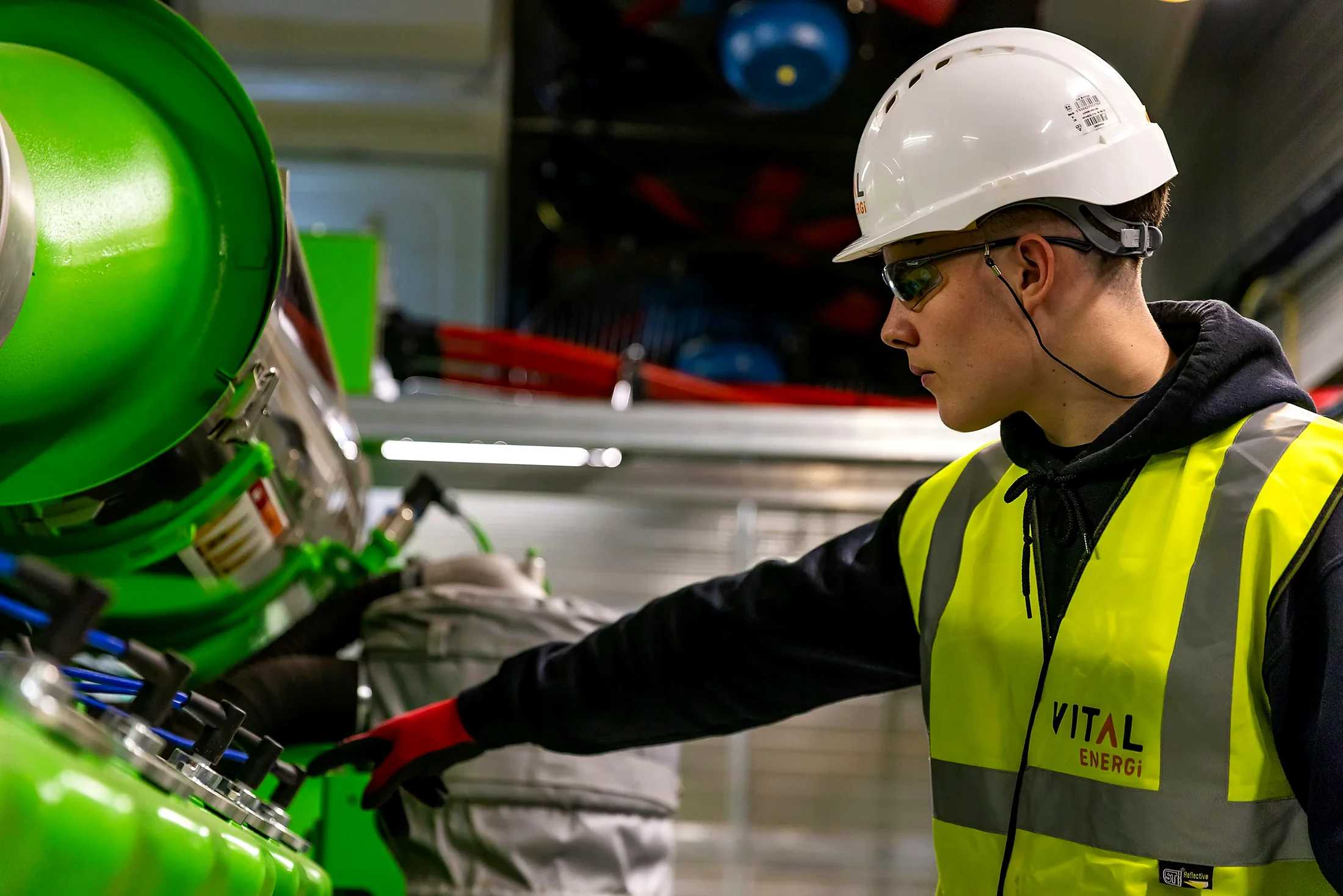
Review damaged panels, tired hinges, misalignment, bypass risk and obsolete safety devices before minor defects become production problems.
Arrange a site review →Find the right retrofit route
Start with the condition or task causing concern. Each route explains the likely survey, engineering and handover scope.
Panels, doors, hinges, fixings and obsolete components for machinery already in use.
Machine guard repairs →Practical guarding for old, second-hand, relocated or modified production assets.
Legacy machinery guarding →Safety relays, PLC interfaces, emergency stops, reset, interlocks and guard locking.
Safety control retrofits →Restore visibility and protection where panels are cracked, crazed or unavailable.
Polycarbonate panel replacement →See how access, material, controls, shutdowns and documentation affect scope.
Machine guarding cost guide →Clear answers on PUWER, old machinery, interlocks, repairs and handover.
Retrofit guides and FAQs →Controlled engineering process
Retrofits touch an operating asset. The work therefore needs a clear baseline, controlled change and a defined route back to production.
Observe real tasks, access points, current defects, foreseeable misuse, run-down and isolation.
Develop fixed and movable guards, safety functions and interfaces around the machine and operators.
Manufacture, install and integrate the agreed changes within a coordinated shutdown plan.
Functionally test the upgrade and issue the drawings, records and recommendations included in the scope.
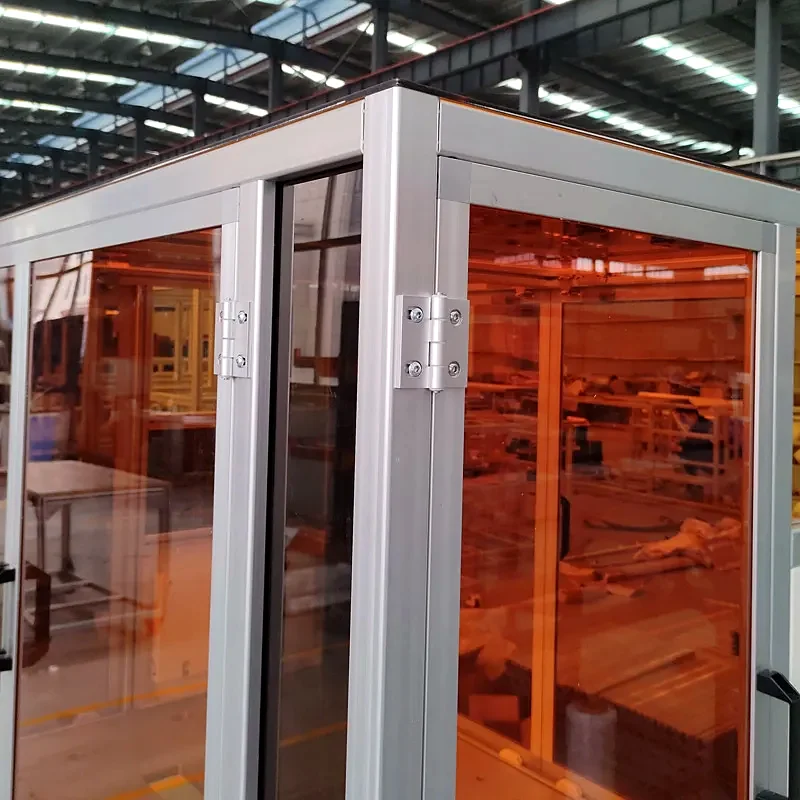 Materials selected for the hazard, visibility, hygiene and access requirement.
Built around the application
Guarding that frustrates routine work is more likely to be removed, defeated or damaged. Retrofit design must allow the real operating task to continue safely and efficiently.
When to investigate
Reach-through, reach-over or underside access may have appeared after product, process or layout changes.
Bypassing can indicate that access, reset logic or stopping performance no longer matches the task.
Damage, loose fasteners, poor alignment and unreliable switches should be addressed before failure.
New conveyors, apertures, tooling or operating speeds can alter the original safeguarding assumptions.
Unsupported relays, switches or wiring may justify a controlled safety-control modernisation project.
A survey can capture the current condition and define proportionate drawings, tests and records.
Machine guarding retrofit FAQs
Often, yes. The condition of the machine, hazards, access tasks, stopping behaviour and existing control architecture should first be reviewed. The mechanical guards and the associated safety functions then need to be engineered as one change.
Yes, where the scope allows. Survey, measurement, design and manufacture can take place in advance. Removal, installation, wiring, testing and production restart are then coordinated within the agreed shutdown window.
Not automatically. Guarding can address specific risks, but the wider work-equipment situation includes controls, stopping, isolation, use and maintenance. The proposal should state the exact assessment and modification boundary.
Sometimes. A like-for-like replacement may not be appropriate if the door is flexible, alignment is poor, the existing safety circuit is obsolete or guard locking is required. Those interfaces should be checked before a replacement is selected.
Yes. A site-wide review can separate urgent defects, practical near-term improvements and planned capital work. This makes it easier to coordinate budgets and production shutdowns around risk priority.
Start with the machine and the task
Send photographs, a layout or a short description. We will help identify whether the next step is a desktop review, site survey, guard repair or integrated upgrade.
Record the guard’s damage, mounting condition and the task it was intended to protect. Check whether the machine, tooling or working method has changed since installation. Use that assessment to define repair or redesign, and include any affected access controls, stopping functions and validation in the retrofit scope.