Manuals and layouts
General arrangement, electrical, pneumatic and safety-circuit information where available.

The evidence before the design
On-site investigation of hazards, access, operating tasks, existing safeguards, machine controls and installation constraints before a retrofit is specified.
The survey records hazards, tasks, access routes, existing guards, controls, stopping behaviour, dimensions, site constraints and the information needed to define a practical retrofit.
Technical reference: HSE work-equipment inspection guidance. A retrofit survey, full PUWER assessment and remedial design are different outputs and should be agreed before the visit.
Measure the machine. Observe the work.
Guarding must protect people during normal operation and the interventions that happen around it. We therefore walk through loading, setting, clearing, cleaning, inspection and maintenance with relevant site personnel.
The survey records the physical space and current condition, but it also captures why access is required, how the machine stops, what energy remains and how the equipment interfaces with the rest of the line.
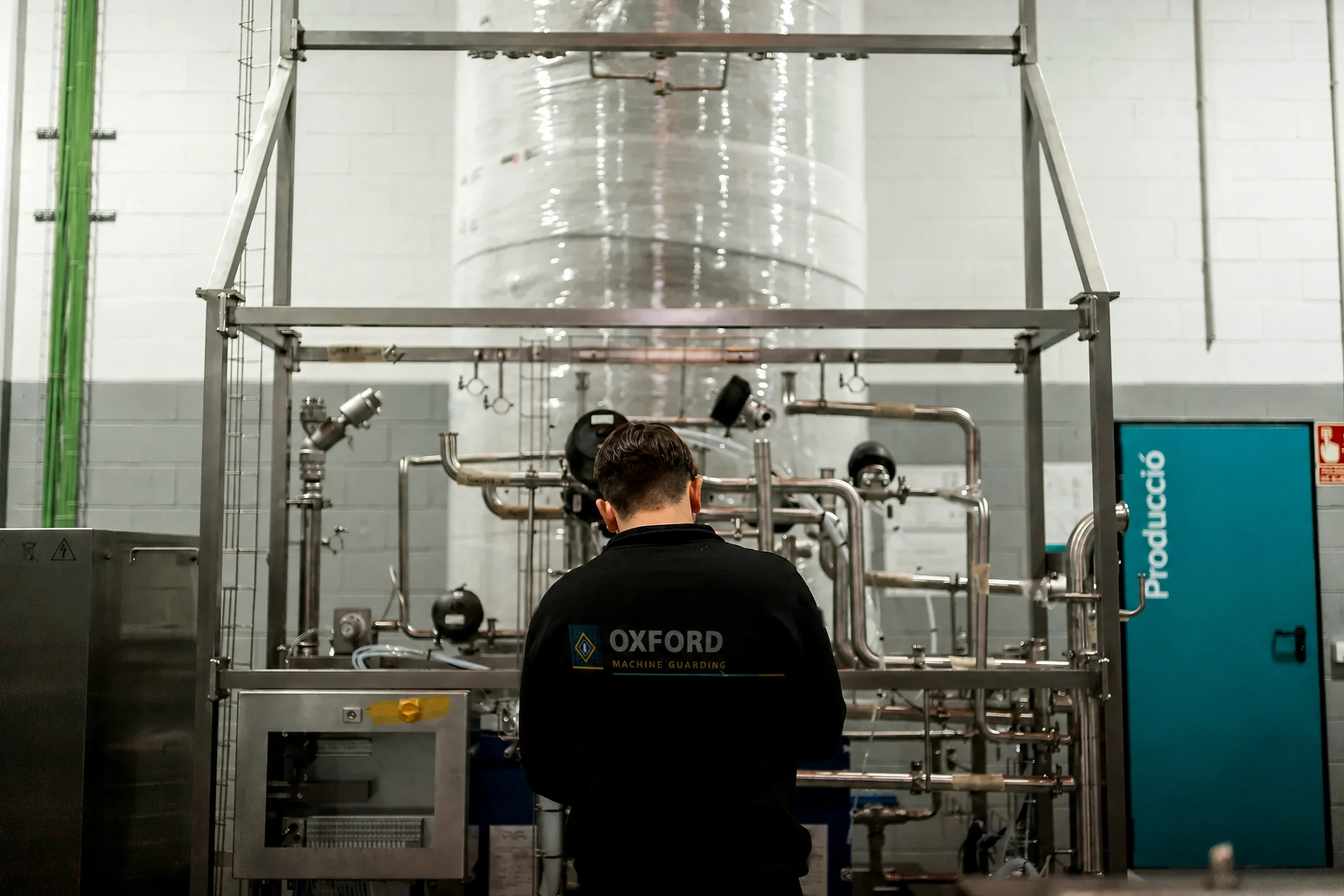 Oxford Machine Guarding · survey of existing production equipment.
Before the visit
General arrangement, electrical, pneumatic and safety-circuit information where available.
Risk or PUWER reports, incident history, known defects and earlier modification records.
Operators, setters, cleaners and maintenance staff who can explain normal and abnormal work.
Samples, photographs or dimensions showing the products and change parts the machine handles.
Known run-down, mode selection, isolation, faults and the response of existing safety devices.
Production demand, shutdown windows, access routes, hygiene controls and target completion.
Survey sequence
Review photographs, documents, known concerns and the output required before arriving on site.
Observe the machine, tasks and interfaces with engineering, production and safety personnel.
Capture dimensions, images, defects, assumptions, access needs and installation constraints.
Provide the agreed output: survey note, prioritised actions, concept, budget or fixed-scope proposal.
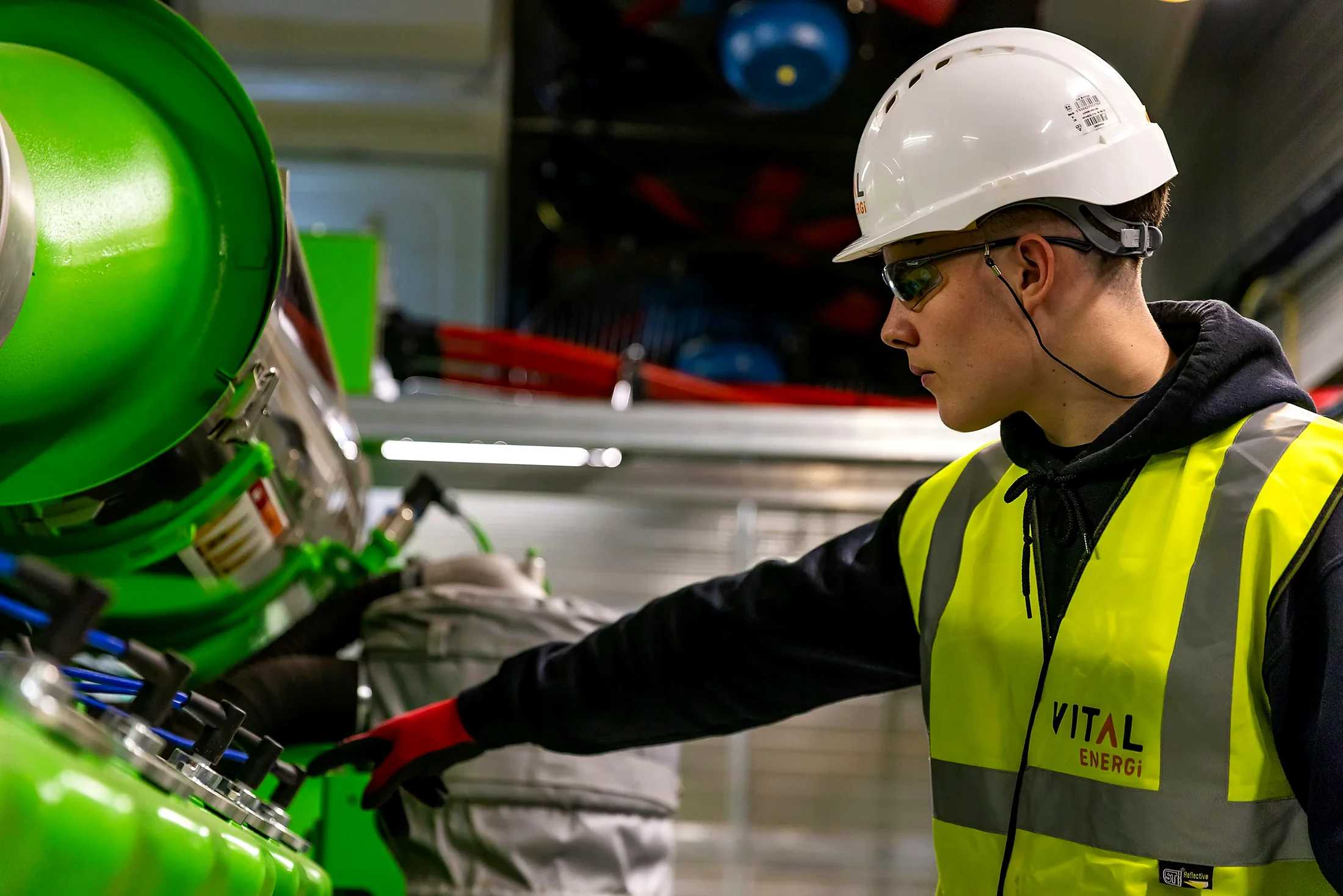 Survey scope can cover one problem guard, a complete line or a prioritised plant area.
Agreed outputs
A quick repair survey and a site-wide improvement programme need different evidence. We agree the output before the visit so the survey gathers the right level of detail.
Survey FAQs
Yes. A site-wide survey can be organised by area, line or risk priority. The machines, information captured and output format should be agreed before the visit.
Observing normal operation is valuable, but safe access may require planned stops or isolation. We can agree a sequence that allows both operating observation and detailed inspection.
That depends on complexity and the output required. A simple issue may be reviewed for quotation, while a multi-machine or technically uncertain project may need a defined survey service first.
Yes, but it is often useful to see the machine running beforehand. For remote sites or short windows, photographs and video taken during production can supplement the shutdown inspection.
Useful next steps
Turn identified guarding findings into a prioritised, machine-specific engineering proposal.
PUWER guarding upgrades →See how design, manufacture, controls, installation, testing and documentation fit together.
Complete retrofit service →Understand how access, materials, controls, shutdowns and records shape project cost.
Machine guarding cost guide →Plan a useful visit
We will help define the survey boundary, people to involve and information to prepare.
Older machinery often arrives at a guarding survey with incomplete drawings, undocumented modifications or controls that differ from the manual. The survey record should distinguish what was measured or observed from what was supplied by others and what remains unverified. This makes the next engineering step clearer without pretending that a missing document can be replaced by an assumption.
For each uncertain interface, record the information needed and the person or organisation able to confirm it. Typical examples include the current electrical revision, the function of a legacy interlock and whether a machine movement remains possible in a particular operating mode. Any functional investigation should be planned and carried out by competent people under the site's approved arrangements.
Use the uncertainty record when comparing retrofit proposals. It should be clear which work is included, which design decisions depend on further evidence and what must be closed before the machinery is returned to service. This reduces late additions caused by discovery during installation. Send the latest available drawings together with a brief history of changes, clearly identifying anything that may no longer represent the machine.
An initial survey can still be useful, but missing or uncertain information must be recorded and resolved to the level needed for the proposed work.
A legacy machine may have been modified. The current installed arrangement is the relevant engineering evidence.
Review safeguarding for legacy machinery Assess existing safety-control interfaces