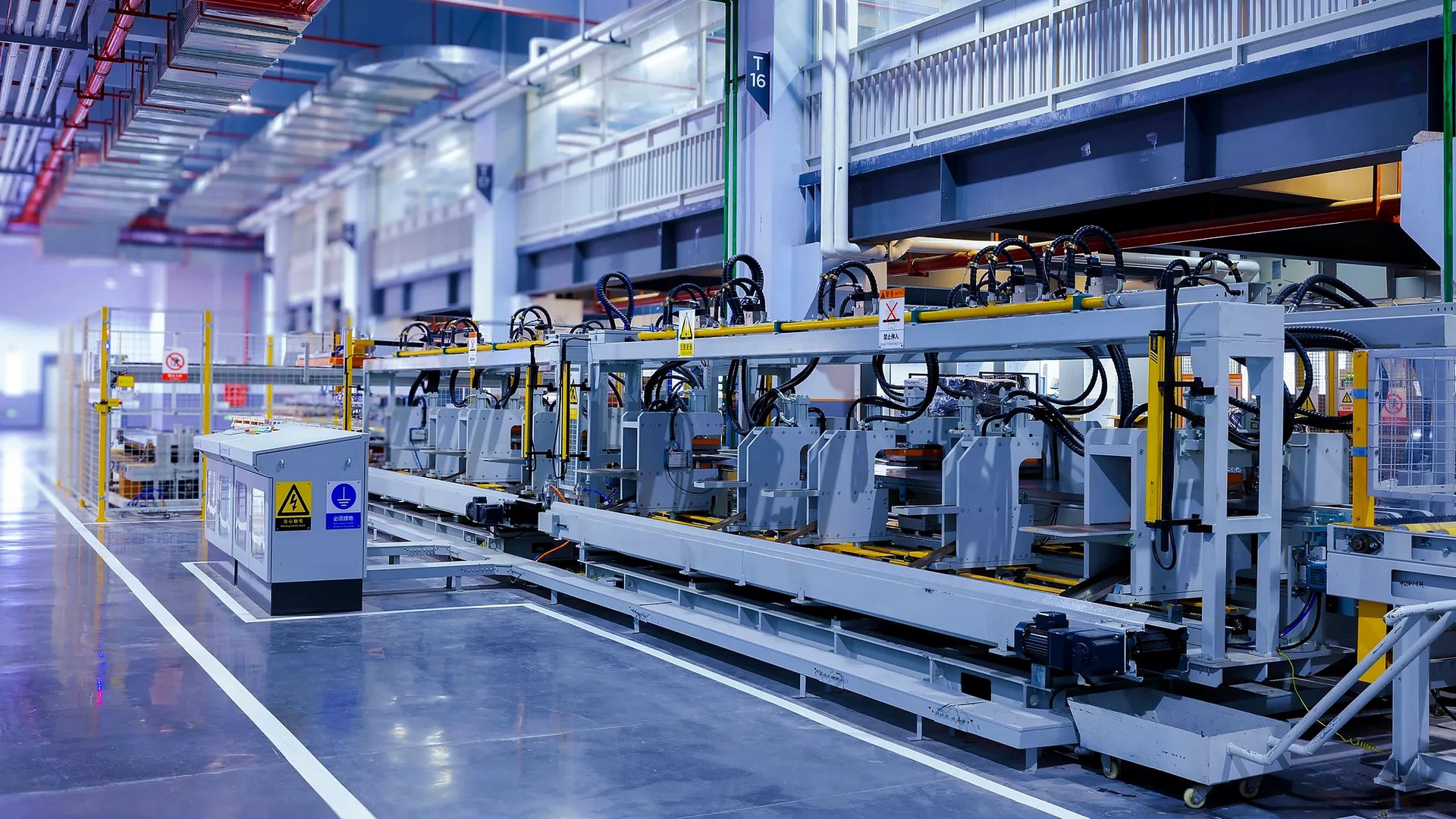
Unsupported devices
Replace components that are no longer available while preserving or improving the intended safety behaviour.

Mechanical and electrical integration
Upgrade obsolete or unreliable interlocks, safety relays, emergency stops, reset controls and safety PLC interfaces on machinery already in service.
It is a controlled upgrade to the parts of a machine that detect access, stop hazardous movement, prevent unexpected restart and provide emergency intervention. It can include guard switches, safety relays or PLC interfaces, contactors, reset controls, emergency stops, wiring and validation.
The mechanical guard and its safety function should be engineered together. A well-fitted switch cannot compensate for a flexible door, poor alignment or an unsuitable reset position.
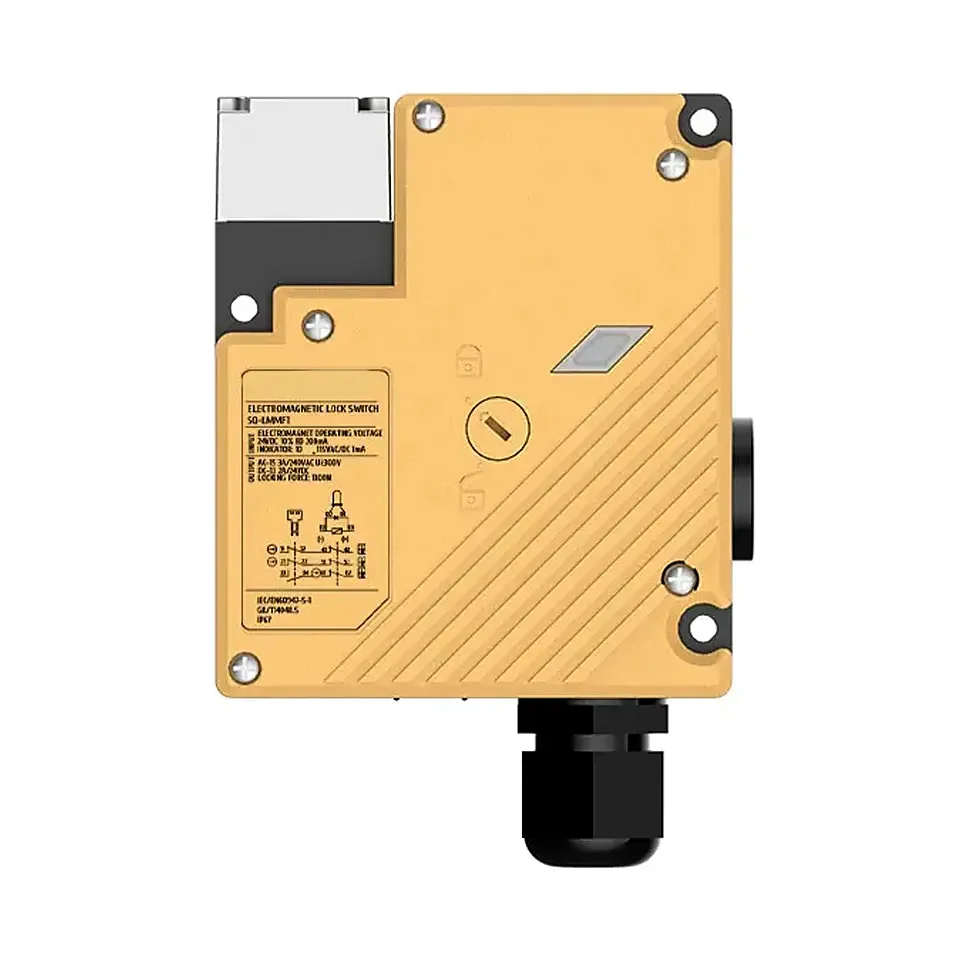 Device selection follows the safety function, access route and stopping response.
Technical reference: HSE machinery safety guidance. Control changes must be reviewed with the physical guards, stopping function and restart behaviour.
Common reasons to upgrade
Replace components that are no longer available while preserving or improving the intended safety behaviour.
Add monitored doors, locking and resets when a production or maintenance task changes.
Address misalignment, nuisance trips, bypass pressure and weak diagnostics as system issues rather than repeated call-outs.
Integrated scope
Review drawings, devices, stopping, access and the actual machine response.
Define the safety function, interfaces, components and required mechanical changes.
Install and wire the agreed upgrade under controlled change procedures.
Test expected states, faults, reset and restart within the documented boundary.
Questions customers ask
Sometimes, but the existing circuit, diagnostics, fault behaviour and documentation should be checked first. Obsolescence or a changed guarding arrangement may justify a designed upgrade rather than a simple component swap.
Guard locking may be needed where a person could reach the hazard before dangerous movement has stopped, or where process conditions require access to remain prevented. The decision depends on risk and stopping behaviour.
Safety functions should be checked against the agreed design and expected behaviour. The validation boundary, tests and records must be defined for the project.
Useful next steps
Review device mounting, stopping, guard locking, reset and restart as one safety function.
Interlocked guard upgrades →Combine guarding, access, controls, installation, testing and agreed handover records.
Complete machine safety upgrades →Capture drawings, devices, stopping behaviour, defects and modification history where available.
Request a site survey →Start with the machine and the task
Tell us the machine, hazard, access requirement, site location and target shutdown. We will help define the most useful first step.