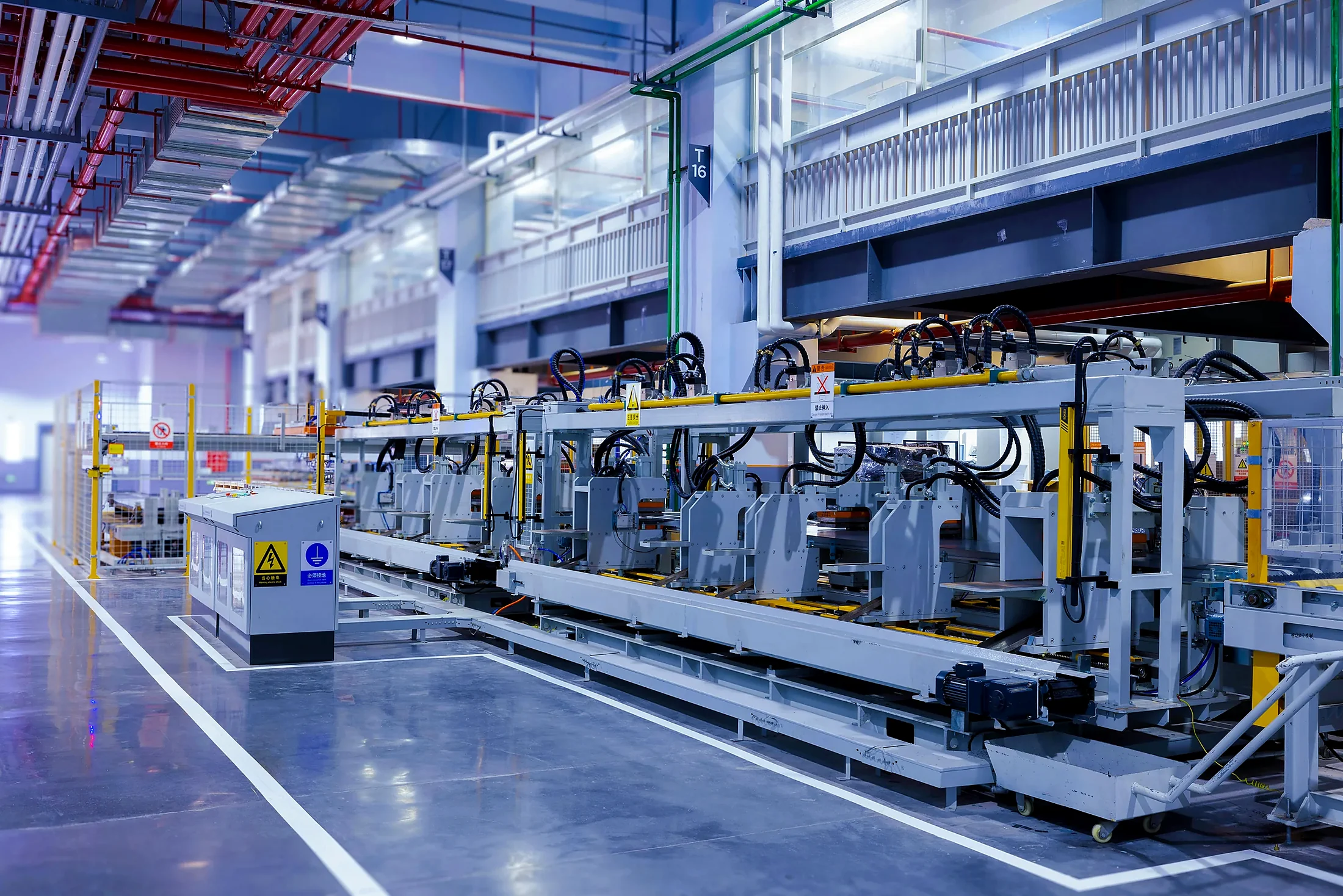
Fixed guards and enclosures
Steel, stainless-steel, mesh or clear-panel guards around dangerous movement, transmissions, tools and line interfaces.
Fixed guard retrofits →
Legacy and existing machinery
Coordinate guards, access, protective devices, stopping and safety controls as one practical upgrade—without automatically replacing productive equipment.
A machine safety upgrade is a controlled change to work equipment that reduces access to hazards and improves how the machine stops, remains stopped and restarts. It may include physical guards, monitored access, protective devices and changes to the safety-related control system. The work starts with the actual machine, its users and every relevant operating mode—including production, setup, clearing, cleaning and maintenance.
Technical reference: HSE machinery safety guidance. The final scope must follow the hazards, tasks and stopping behaviour of the specific machine.
Upgrade scope
The machine-specific review defines the boundary. The following workstreams can be combined where the risk and task require them.
Steel, stainless-steel, mesh or clear-panel guards around dangerous movement, transmissions, tools and line interfaces.
Fixed guard retrofits →Controlled routine access with switches, locking, escape arrangements, reset and restart behaviour suited to the task.
Interlocked access →Electro-sensitive protection where open access or material flow makes a physical barrier impractical, subject to stopping-distance checks.
Modernise obsolete or unsuitable safety logic, monitored outputs, diagnostics and interfaces with the existing machine controls.
Safety-control retrofits →Review stop response, reset position, line of sight and restart prevention within the agreed safety-function boundary.
Complete the inspections, functional tests, drawings, component records and residual actions defined in the proposal.
Application-led engineering
HSE guidance places fixed guarding first where practical. Where routine access is needed, interlocked guards or other protective devices may be appropriate. A retrofit therefore begins with the access task—not a preferred product.
We also review run-down, stored energy, reset location, visibility, foreseeable defeat and the condition of the original machine. This keeps the physical barrier and safety response aligned.
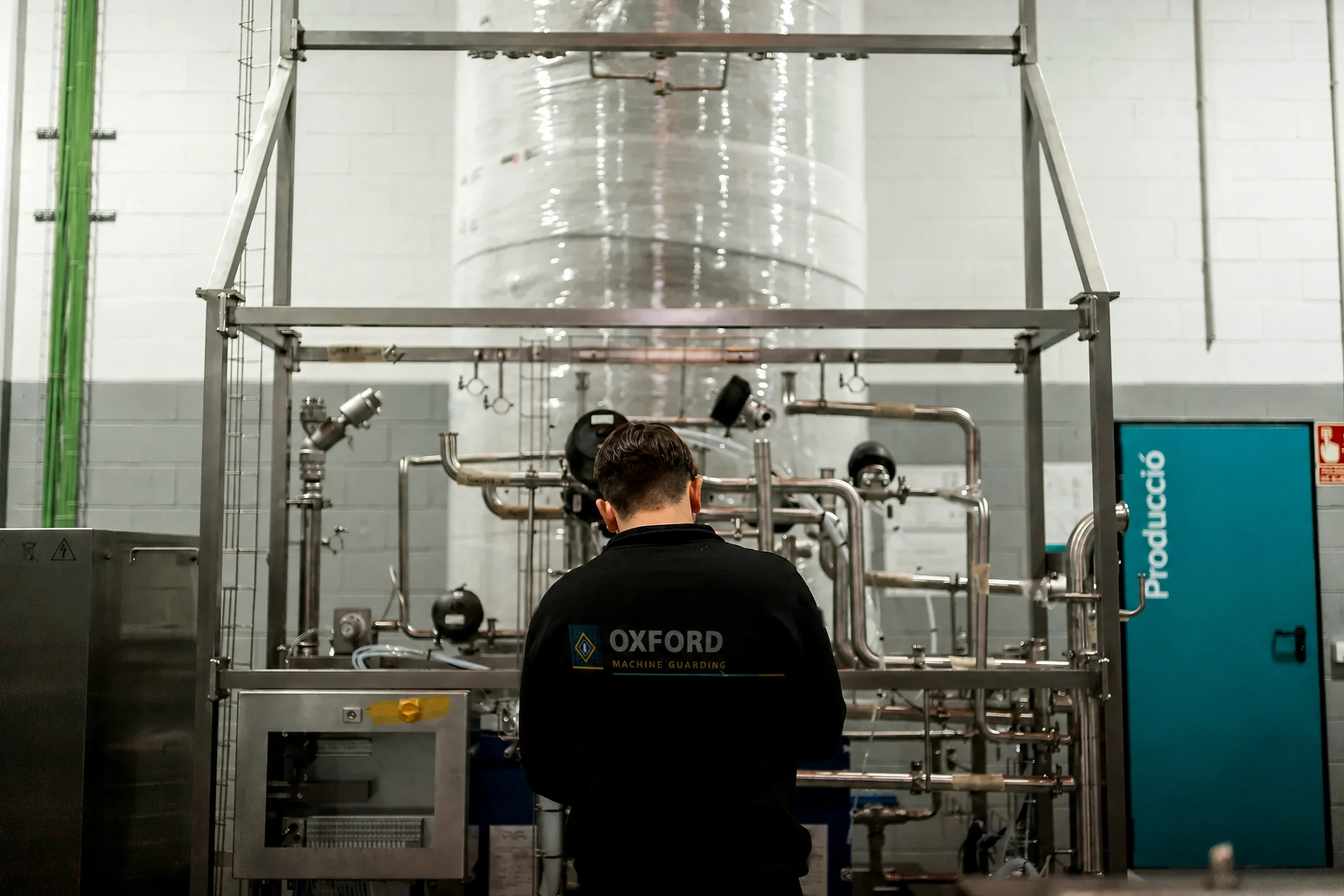 Production, setup, intervention, cleaning and maintenance access are considered together.
Planned delivery
Capture hazards, access, controls, run-down, drawings and practical site constraints.
Agree the modification boundary, responsibilities, evidence and acceptance criteria.
Complete mechanical and electrical design, manufacture and off-site preparation.
Coordinate removal, guarding, wiring, functional checks and controlled handover.
Why sites upgrade
New products, conveyors, tooling or work methods have created a reach route the original design did not address.
Switches, relays or control hardware are unreliable, difficult to diagnose or no longer practical to replace.
Clearing, adjustment or cleaning access is impractical with the existing guarding arrangement.
A PUWER, insurer, risk or internal review has identified work that now needs a defined engineering scope.
PUWER remedial work →The core process still performs well, making a proportionate guarding and control upgrade worth investigating.
Legacy machinery retrofits →Connected machines, transfer openings and stop zones need to be reviewed as one production system.
Packaging-line upgrades →Machine safety upgrade FAQs
It can combine fixed or interlocked guards, safety switches, guard locking, emergency-stop and reset improvements, light curtains or scanners, safety relays or PLC interfaces, installation, functional testing and updated records. The exact scope follows the machine-specific risk and access tasks.
Often, yes. The machine condition, controls, stopping behaviour, access requirements and intended use first need to be reviewed so the upgrade is compatible with the asset and addresses the identified risks.
Not automatically. The proposal should state the assessment and modification boundary. A focused guarding or control upgrade cannot prove the condition of every aspect outside the agreed scope.
Planning a machine safety upgrade?
Include the machine, access task, existing safety devices, site location and intended shutdown. We will help define the most useful next step.