Open reach routes
Missing panels, large product openings and underside access can expose hazardous movement.

Existing assets · current risks
Bring practical safeguarding to older, second-hand, relocated or modified machinery while keeping useful production equipment in service.
Yes, in many cases. A retrofit can add fixed guards, interlocked access and updated safety functions without automatically replacing the productive asset. The design must be based on current use, machine condition, stopping behaviour and foreseeable access.
Legacy equipment may have been relocated, combined with other machines, given new products or altered by years of practical modification. The retrofit starts from the machine that exists today—not only the original manual.
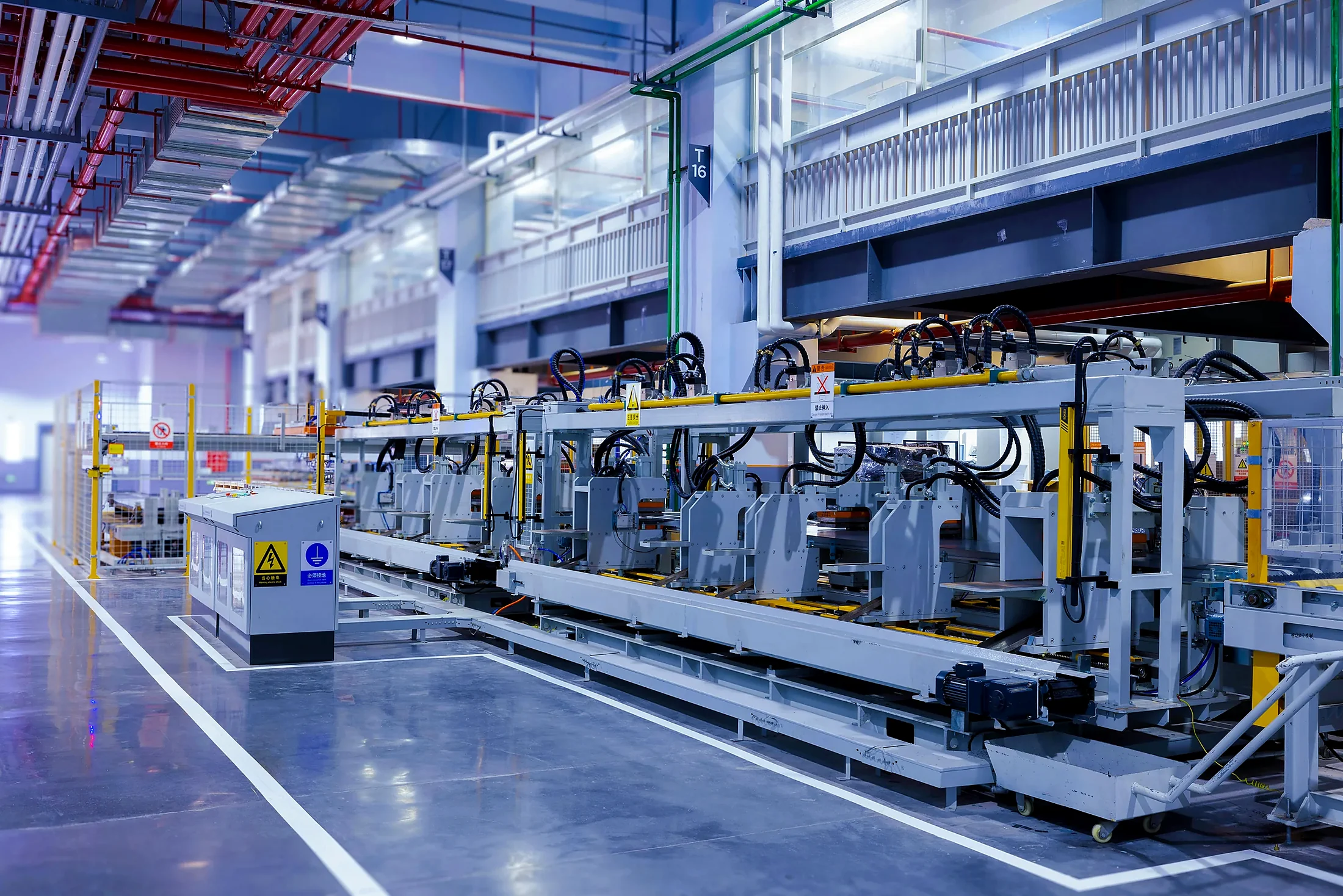 Existing machinery is assessed around its present condition, task and interfaces.
Primary reference: HSE guidance for refurbished and modified machinery. The implications of a change depend on the extent of the modification and the project responsibilities.
Legacy machine challenges
Missing panels, large product openings and underside access can expose hazardous movement.
Old switches, relays and wiring may be unreliable, unsupported or poorly documented.
New products, speeds, cleaning routines and maintenance access can invalidate original assumptions.
Practical retrofit route
Capture condition, hazards, tasks, controls, dimensions and surrounding equipment.
Separate immediate restrictions, repairs and planned capital improvements.
Design guards, access and control changes around the usable machine and floor space.
Install, test and record the agreed modification and residual actions.
Questions customers ask
Often, yes. The machine condition, hazards, tasks, stopping behaviour and controls must be reviewed so that the physical guarding and safety functions suit the equipment as it is used now.
Not automatically. HSE guidance says like-for-like refurbishment does not normally require re-marking, but machinery transformed or substantially rebuilt may be treated as new. The extent of each modification must be assessed.
Yes. A survey can prioritise immediate defects, near-term repairs and larger shutdown projects, allowing budgets and production access to be planned around risk.
Useful next steps
Repair or replace obsolete doors, panels, hinges, fixings and unsupported components.
Machine guard repairs →Design steel, mesh, stainless-steel or clear guarding around existing mounting constraints.
Fixed guard retrofits →Review interlocks, reset, restart, emergency stops and safety-control architecture.
Safety control retrofits →Start with the machine and the task
Tell us the machine, hazard, access requirement, site location and target shutdown. We will help define the most useful first step.