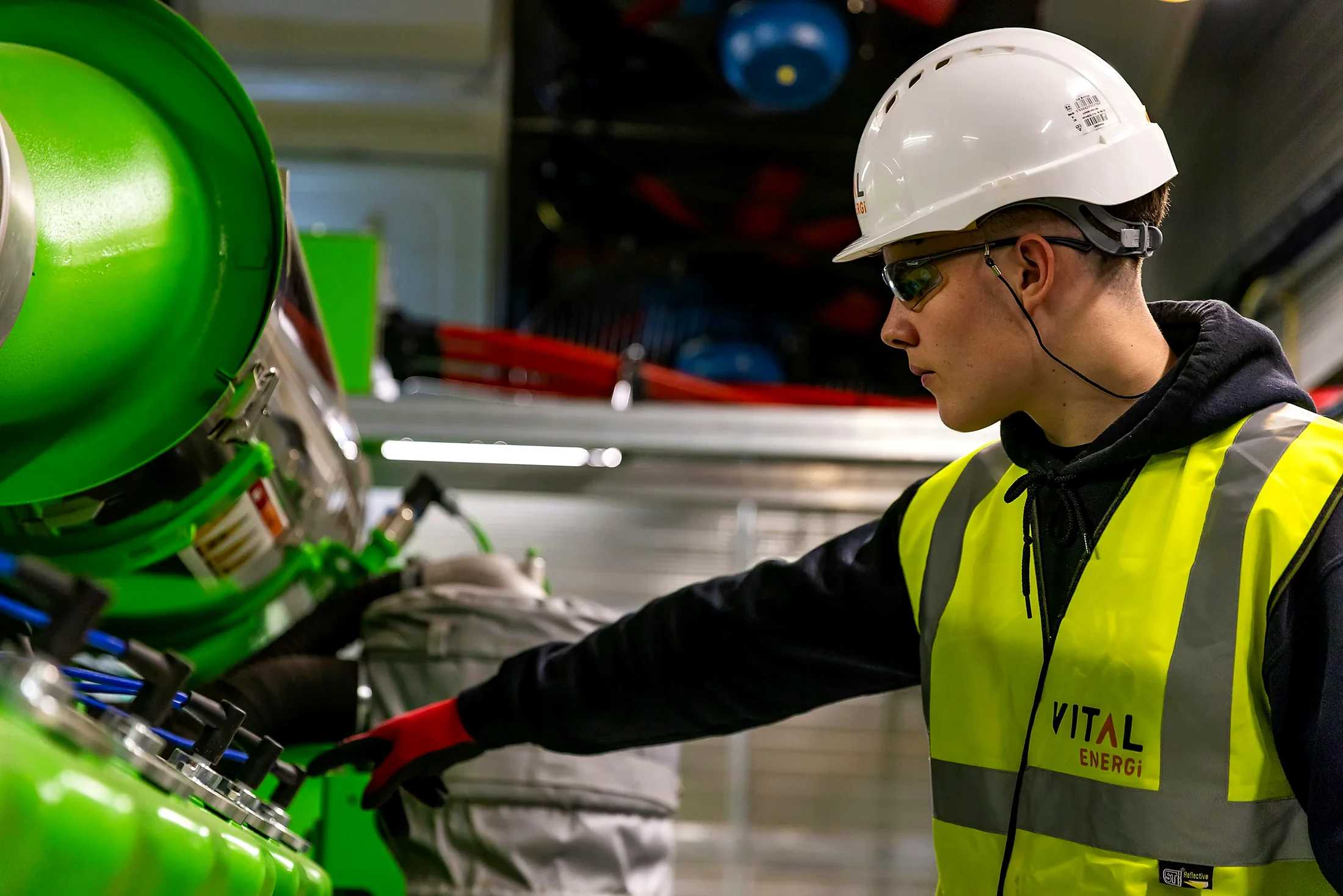
Guarding is missing or damaged
Panels, doors, fixings or switches no longer provide dependable separation from the hazard.
Guard repair and replacement →
Planning guide · UK existing machinery
Define the problem, choose an access method, plan the shutdown and specify useful evidence before modifying a productive machine.
A machine guarding retrofit is an engineered modification that adds, replaces or improves safeguards on machinery already in service. It can range from one fixed cover to a complete package of perimeter guards, interlocked doors, protective devices and safety-control changes. The safest starting point is the real hazard and access task: production, loading, setup, clearing, cleaning, inspection and maintenance.
When to investigate
Panels, doors, fixings or switches no longer provide dependable separation from the hazard.
Guard repair and replacement →New products, conveyors, tooling, speed or work methods have created access routes the original design did not address.
Routine adjustment, cleaning or jam clearing is impractical with the existing guarding arrangement.
Interlocks, relays, contactors or control components are unreliable or difficult to diagnose and replace.
Control retrofit options →A PUWER, insurer, risk or internal review has identified guarding or safety-control actions.
PUWER upgrades →A new layout changes access, interfaces, operator position or connections with surrounding equipment.
Guard choice
HSE guidance puts fixed guards first where practical. Where routine access is needed, other guards or protective devices may be more suitable. The application—not a preferred component—sets the route.
| Safeguarding route | Typical fit | Key questions |
|---|---|---|
| Fixed guard | Hazards that do not need routine production access. | Strength, fixings, openings, reach routes, tool-controlled removal and maintenance access. |
| Interlocked access | Doors or panels opened for regular setup, clearing, cleaning or adjustment. | Stopping time, guard locking, switch mounting, defeat resistance, reset and restart behaviour. |
| Light curtain or scanner | Open access or material flow where a physical barrier is impractical. | Detection capability, safety distance, stopping performance, muting, reset and environmental suitability. |
| Combined arrangement | Machines or lines with several hazards and operating modes. | Zone boundaries, interfaces, stored energy, line of sight, access frequency and functional testing. |
Project sequence
Identify the machine, known problem, users, operating modes and production constraints.
Record hazards, access, dimensions, stopping, controls, isolation and available information.
Agree the boundary, guarding concept, safety functions, materials and acceptance evidence.
Manufacture off site, coordinate installation, test the agreed functions and hand over records.
Budget and programme
A useful quotation needs more than a machine name. Hazards, access points, panel quantity, materials, safety devices, controls, drawings, site access, shutdown timing and the required evidence all affect the project.
Two similar-looking machines can have very different intervention tasks, stopping behaviour and installation constraints. Photographs support an initial discussion; a survey is normally required for a dependable engineered quotation.
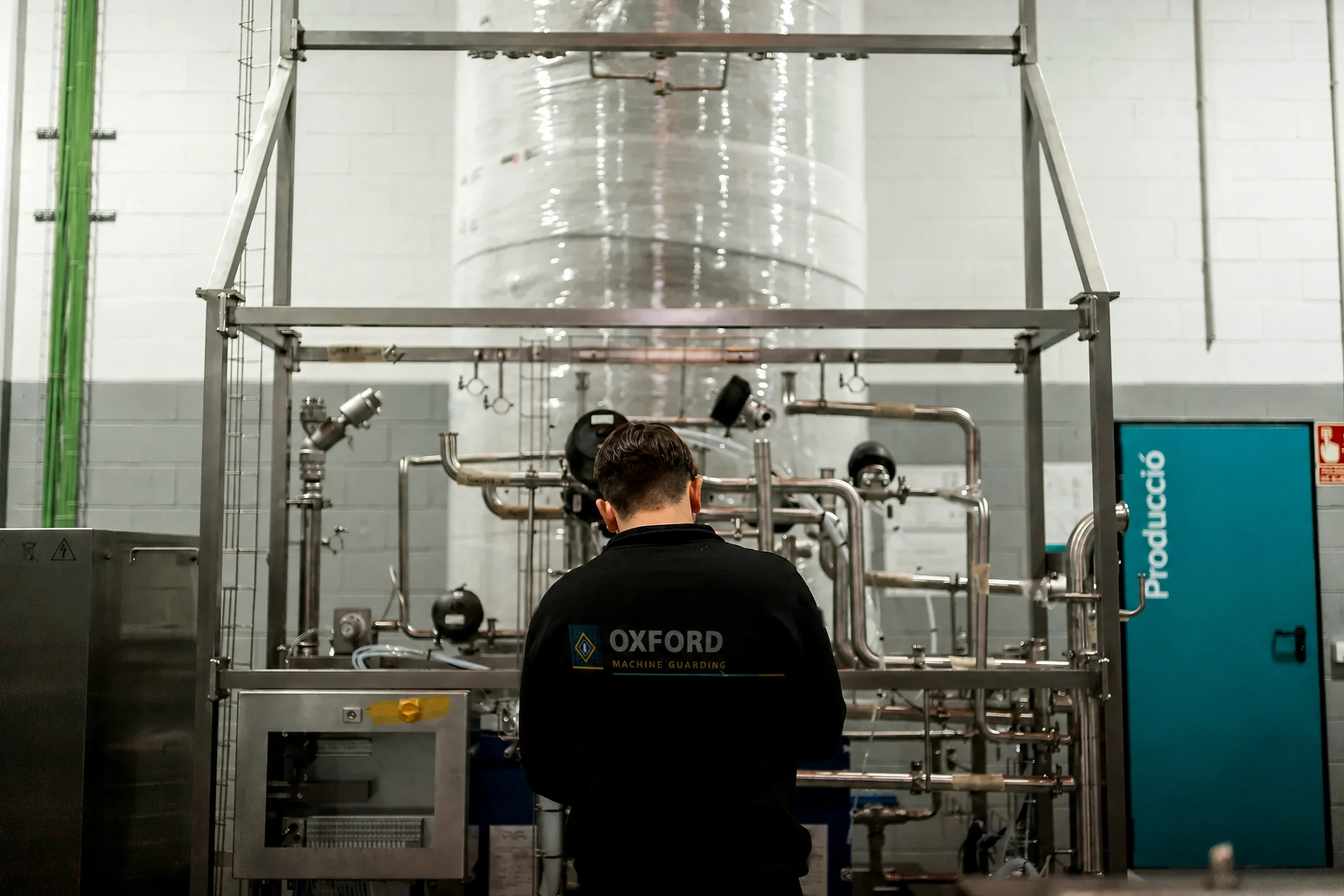 Clear inputs reduce design uncertainty and protect the shutdown programme.
Project brief checklist
Modification responsibilities
The answer depends on the significance and context of the change. HSE guidance explains that routine servicing, replacement of guards with essentially identical new parts, and some improved safety-critical replacements do not normally amount to a substantial change. A modification that materially changes intended use or performance—or creates what is effectively a new machine—may have different conformity implications.
The project should record the original machine, intended change, assessment boundary and who is responsible for any wider conformity decision. A focused guarding contractor should not describe an entire machine as compliant where its work and evidence cover only a limited modification.
Read HSE guidance on refurbished and modified machinery →
Retrofit planning FAQs
Cost depends on the hazards and access points, guard materials, mechanical complexity, safety-control changes, drawings, installation conditions, shutdown timing, testing and documentation. Photographs and usually a site survey are needed for a dependable quotation.
Sometimes. Detailed survey, approved design, off-site manufacture, prepared wiring and a defined test and restart plan improve the chance of fitting the on-site work into a short shutdown.
It depends on the significance and context of the modification. The responsible party should record the original machine, the intended change and who is responsible for the wider conformity decision.
Primary sources
Source review date: 1 September 2026.
Ready to define the project?
Send photographs, available drawings and a short description. We will help identify whether the next step is a desktop review, site survey, repair or integrated upgrade.
Record the current machine, modifications and tasks before defining the retrofit. A competent review should consider the hazards, existing controls and required access together. Agree the installation sequence and the checks needed before returning the machine to use, while keeping a clear record of the changed arrangement.
Related guidance: Retrofit cost guide · Complete retrofit service