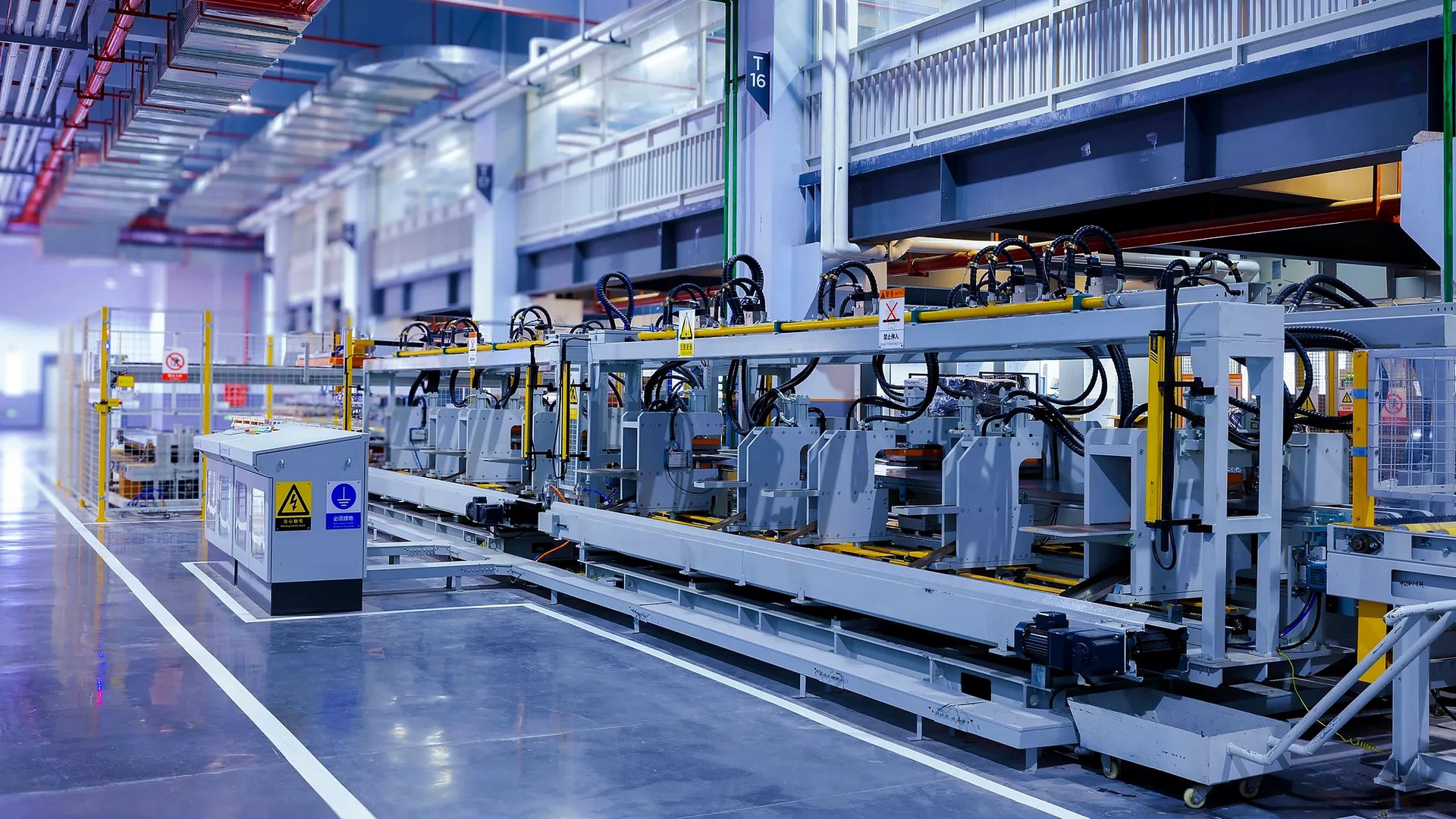
Doors sag or move
Flexible frames, worn hinges or poor actuator alignment can cause nuisance faults and encourage bypassing.

Access controlled by the safety function
Modernise guard doors, safety switches, guard locking, reset and restart behaviour on existing machinery—without treating the interlock as an isolated component.
Yes. The guard, switch or locking device, stopping behaviour, safety circuit, reset and restart logic must be considered as one safety function.
Technical reference: HSE machinery safety guidance. Switch, guard and guard-locking selection remains specific to the machine, access task and run-down hazard.
The device is not the whole solution
Opening an interlocked guard should produce a defined safe response and prevent unexpected restart. Whether a retrofit achieves that outcome depends on more than the chosen switch.
We consider the mechanical condition of the guard, how often access is required, how the machine stops, whether dangerous movement runs down, the existing safety circuit and how the operator resets the machine.
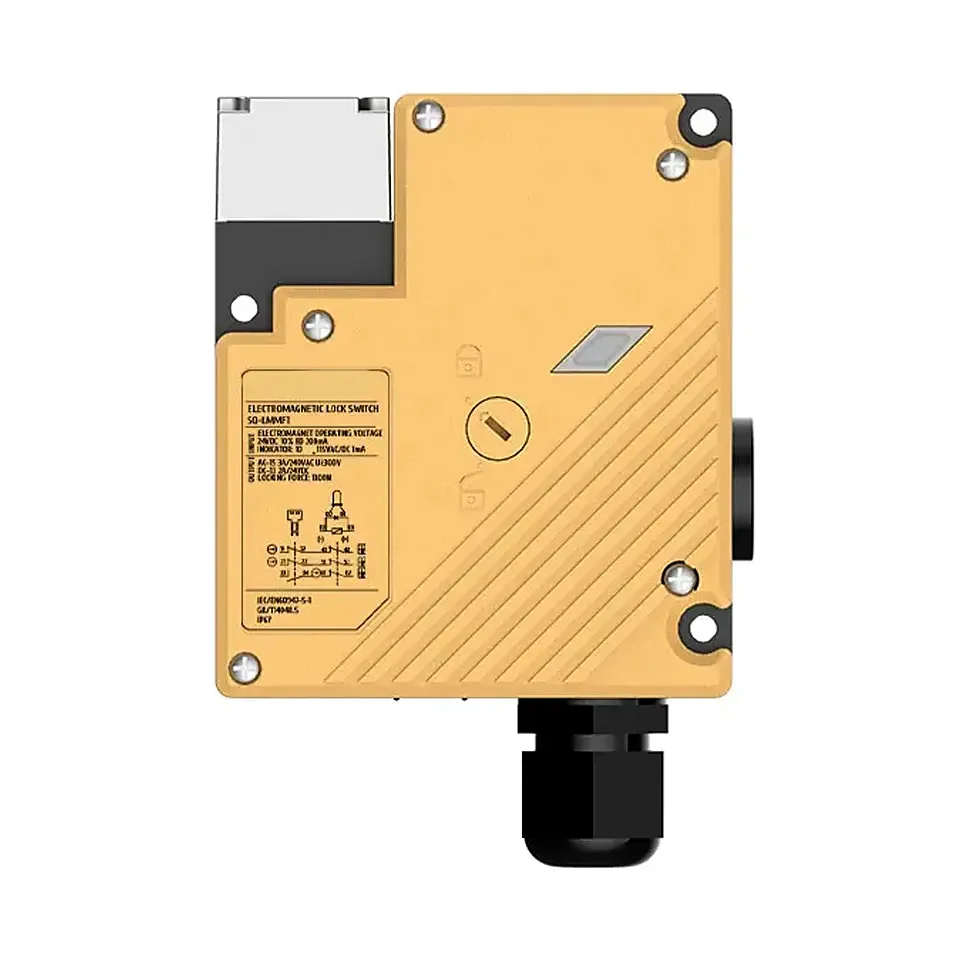 Device selection follows the access need, risk and required stopping behaviour.
Common reasons to upgrade
Flexible frames, worn hinges or poor actuator alignment can cause nuisance faults and encourage bypassing.
A discontinued switch may require mechanical changes and control review rather than an unexamined substitute.
Where motion or energy persists, guard locking and monitored release may be needed before access is permitted.
Mounting, coding, concealment and task design should reduce foreseeable manipulation without blocking necessary work.
Reset position and visibility should support a deliberate restart only after the safeguarded area is clear.
Appropriate status information can reduce downtime while preserving the integrity of the safety function.
Retrofit method
Define who opens the guard, why, how often and what must remain possible while it is open.
Review stop category, run-down, stored energy and the response required when access is requested.
Design mounting, switching, locking, logic, reset and diagnostics around the existing control condition.
Verify the agreed functions, including fault response, access sequence, reset and restart prevention.
Device choice
The appropriate arrangement depends on the risk and machine behaviour. The table is a starting point, not a substitute for the machine-specific assessment.
| Consideration | Interlocking without guard locking | Interlocking with guard locking |
|---|---|---|
| Typical use | Access can be permitted once opening the guard generates a sufficiently quick safe response. | Access must remain prevented until hazardous movement or energy has reduced. |
| Release | The guard can normally be opened when required; opening initiates the safety response. | The locking device releases only when defined safe conditions are met. |
| Key design checks | Stopping time, reach distance, switch reliability, defeat resistance and restart prevention. | All interlocking checks plus locking principle, escape release, power loss and trapped-person risk. |
| Examples | Low-inertia equipment with adequate separation and controlled restart. | High-inertia machinery, delayed hazards or processes that cannot become safe immediately. |
Frequently asked
Often, but the existing door must be suitable. Rigidity, alignment, actuator mounting, foreseeable defeat, stopping time, control compatibility and diagnostics all influence the design.
It may be required where hazardous movement or energy remains after a stop command and access must be prevented until the risk has reduced. The decision follows the assessment and measured or known stopping behaviour.
Yes, where included in scope. The circuit architecture, inputs, outputs, contactors, reset, diagnostics and required performance need to be reviewed before a relay or safety PLC solution is selected.
A better mechanical arrangement, correct device selection and useful diagnostics can improve reliability. However, faults should not be removed in a way that weakens the safety function; the cause must be engineered out.
Useful next steps
Connect switches, relays or safety PLC logic with stop, reset and restart behaviour.
Safety control retrofits →Plan around missing drawings, obsolete devices and the machine as it is used today.
Legacy machinery upgrades →Review the guard, hazard, run-down, escape and maintenance tasks on the real machine.
Request a site survey →Existing interlock problem?
Photographs of the complete door, current switch, control panel and machine overview help us plan a useful first review.